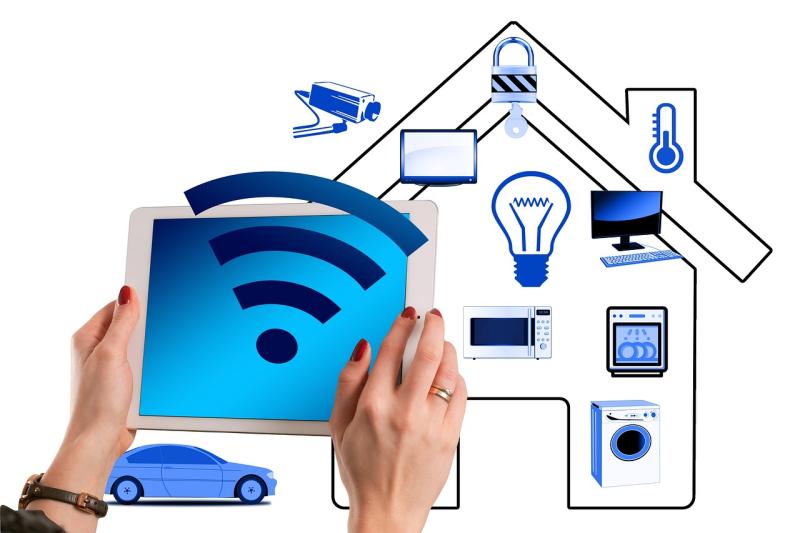
When it comes to home automation, understanding your WiFi options is key. WiFi lets you connect smart devices without the hassle of wires, making it a convenient choice for many. Imagine controlling your lights or thermostat from your smartphone while lounging on the couch—that's the magic of WiFi!
One of the biggest benefits of using WiFi for your smart home is flexibility. With WiFi, you can easily add new devices as you go. Want to throw in some smart plugs or outdoor cameras? Just connect them to your existing WiFi network. Plus, most smart home devices are designed to work seamlessly with WiFi, so you won't have compatibility issues.
However, it’s also important to keep in mind a couple of things. WiFi can sometimes be prone to interference, especially if you have a lot of devices running at once or if your router is far away. This might lead to lag or connectivity issues. To combat this, consider investing in a good router or even WiFi extenders to boost your signal where needed.
Security is another point to consider. WiFi can be vulnerable to hacking, so it's a good idea to keep your network secure with a strong password and to regularly update your router's firmware. It’s a simple step that goes a long way in protecting your smart home.
Benefits of Wired Connections
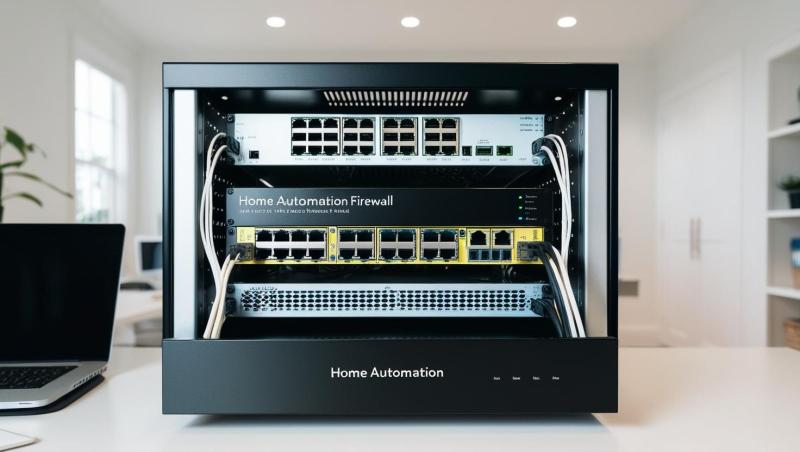
If you've ever wondered why some folks still swear by wired connections, you’re in for a treat! There are several perks that come with choosing a wired setup for your home automation system.
Stable Connection: One of the biggest advantages of wired connections is their reliability. Unlike Wi-Fi, which can drop out or slow down depending on interference and distance from the router, wired connections provide a steady signal. This means your devices can communicate without hiccups, making everything run smoothly.
Faster Speeds: When you connect devices via Ethernet cables, you're taking advantage of generally faster speeds compared to Wi-Fi. This is especially important for high-demand activities like streaming, gaming, or using security cameras. No more buffering or lag during your favorite shows!
Enhanced Security: Wired networks can be more secure than Wi-Fi. With a wired connection, only physically connected devices can access the network, lowering the chance of unauthorized users getting in. If security is a concern for your home automation system, a wired setup might be the best choice.
Less Interference: Wi-Fi signals can be affected by walls, furniture, and other electronic devices. Wired connections eliminate this interference. You won't have to worry about getting a weak signal just because you moved the couch around!
Comparing Speed and Reliability
When you're choosing between WiFi and wired connections for your home automation, speed and reliability are two key factors to consider. It's like comparing apples and oranges; each has its own perks and quirks.
WiFi is super convenient. You can easily connect multiple devices without worrying about messy cables all over your home. However, its speed can fluctuate based on distance from the router or interference from other devices. If you’re in a big house or have thick walls, that signal might struggle to reach certain areas.
On the flip side, wired connections, like Ethernet cables, offer consistent speeds. Once everything is hooked up, you can count on it to deliver solid performance every time. This option is great for devices that rely on stable connections, like security cameras or smart hubs. But, let's be real—running cables can be a hassle and may limit where you can place your stuff.
So, if you want flexibility and mobility, WiFi might be your go-to. But if you’re after rock-solid reliability for critical devices, think about going wired. It all comes down to your specific needs and how tech-savvy you want to get with your setup!
Choosing What’s Best for You
When it comes to home automation, choosing between WiFi and wired connections can feel a bit overwhelming. Both options come with their own set of benefits and downsides, so it's important to think about your needs and lifestyle.
If you value flexibility and ease of installation, WiFi might be the way to go. With wireless devices, setting up your home automation system can be as simple as plugging in a smart plug or connecting a light bulb. You can move things around without worrying about running cables everywhere. Plus, if you’re someone who likes to add new gadgets over time, WiFi makes that super simple.
On the other hand, if you want a stable connection and top-notch performance, wired systems tend to deliver better speed and reliability. This is especially important if you live in a larger home or have devices that require a lot of bandwidth, like security cameras or streaming devices. Wired connections are less likely to suffer from interference, so if you want a smooth experience, this can be the smart choice.
Ultimately, think about what fits your lifestyle. Are you tech-savvy and enjoy updating your setup? Or do you prefer a straightforward, reliable system? Your choice should align with your home’s layout, how many devices you want to connect, and what you feel comfortable managing. Take your time, do some research, and choose what feels right for your home automation journey!